Knee Walkers
Knee Walkers and Knee Scooters at Bayshore Medical Supply in Pasadena, TX
Knee Walkers – A Perfect Mobility Solution
Knee Walker Types
Knee Walkers for Every Size and Need
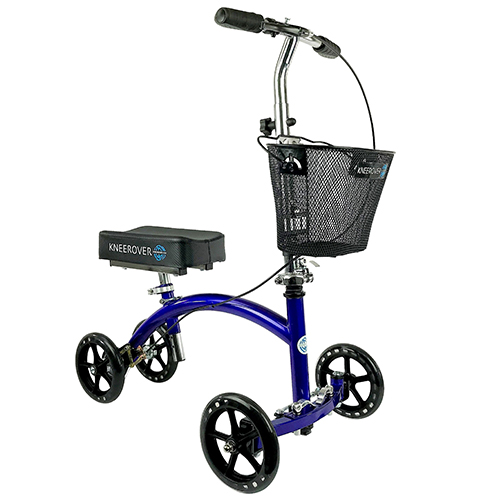
KneeRover Deluxe
- Extra knee cushioning
- Basket for convenient storage
- Innovative tie-rod steering
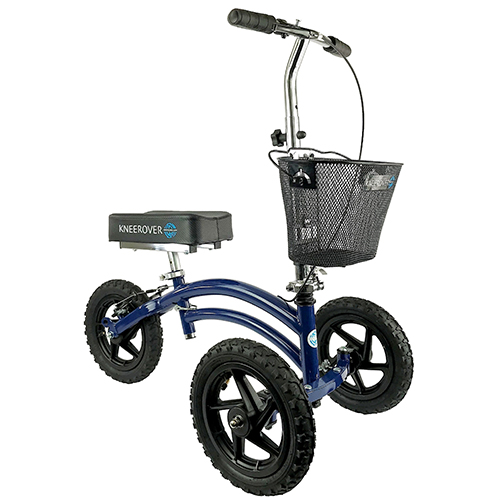
All Terrain KneeRover
- Extra knee cushioning
- Basket for convenient storage
- 12" pneumatic tires
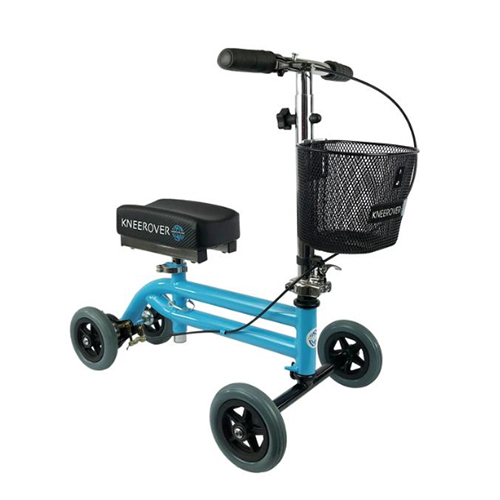
KneeRover Jr
- Extra knee cushioning
- Basket for convenient storage
- #1 pediatric steerable knee scooter
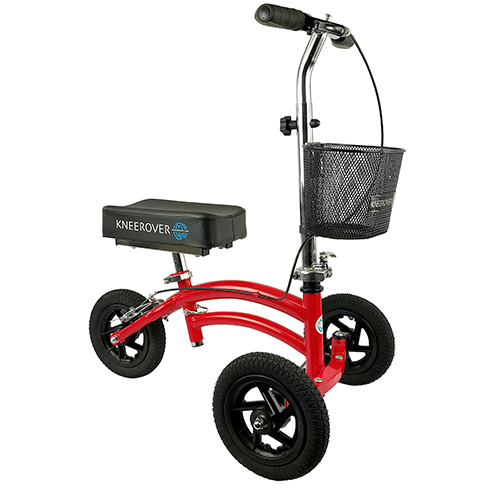
All Terrain KneeRover Jr
- Extra knee cushioning
- 12" pneumatic tires
- #1 pediatric steerable knee scooter
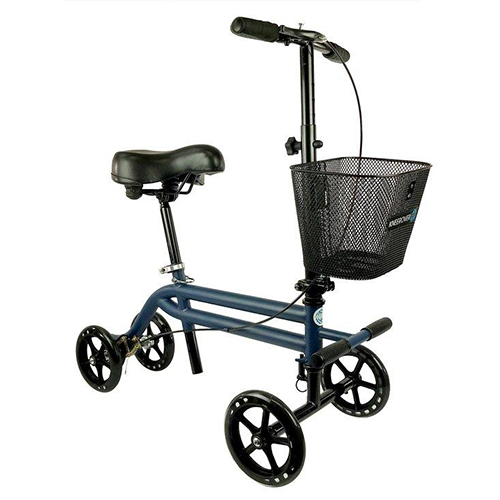
Seated KneeRover
- Basket for convenient storage
- 12" pneumatic tires
- Cushioned seat for non-weight bearing
Knee Walker Tips
How To Choose the Right Knee Walker
Adjustability and Comfort
Look for adjustable handlebars and knee pad height. Proper adjustment is crucial for comfort and ease of use. It should also be cushioned and comfortable to help distribute weight evenly to reduce discomfort during extended use.
Portability and Storage
Look for knee walkers that are foldable or have a quick-release feature for easy storage and transportation. Also check weights - lighter models are more manageable if you need to lift or load it into a vehicle.
Stability and Maneuverability
Your Knee Walker should have a sturdy frame with four stable wheels for balanced support. Look for models with steerable front wheels that allow for easy maneuvering. This feature is particularly useful when navigating through tight spaces or around obstacles.
Weight Capacity and Durability
Verify the weight capacity of your knee walker to ensure it can safely support your body weight. Durable, high-quality construction ensures the knee walker will withstand the duration of your recovery.
Braking System
Make sure your knee walker has an effective braking system. The brakes should be easy to engage and disengage for quick stops and smooth control. Test the brakes to make sure they provide sufficient stopping power and that you can operate them comfortably.
Safety Tips
How To Use Your Knee Walker Safely
Proper Adjustment
Ensure that the knee walker is adjusted to your height. The handlebars should be at a comfortable level, allowing you to maintain an upright posture while using it. This minimizes the strain on your back.
Wear Proper Footwear
Choose sturdy, closed-toe shoes with good grip to prevent slipping off the knee walker's platform.
Avoid Wet Surfaces
Wet or slippery surfaces can make the knee walker hard to control. Be especially careful on rainy days or when surfaces are wet.
Stay Visible
If you're using your knee walker outdoors, especially in low-light conditions, wear bright or reflective clothing and consider attaching reflectors or lights to the walker to increase visibility to others.
Maintenance
Regularly inspect your knee walker for loose or damaged parts. Ensure that the wheels and brakes are in good condition.
Familiarization
Before heading out, practice using the knee walker in a safe and open area, such as your home or a flat sidewalk. Get comfortable with steering, turning, and braking to prevent accidents in more challenging environments.
Secure Belongings
Use a bag or basket on the knee walker to carry your belongings. Ensure that they are securely fastened to prevent them from falling and causing tripping hazards.
Watch for Obstacles
Keep an eye out for obstacles, like curbs, steps, or debris on the ground. Approach these slowly and carefully, and consider asking for assistance when necessary.
Avoid Overloading
Do not exceed the weight limit of your knee walker. Overloading it can affect stability and safety.
Follow Your Healthcare Provider's Guidance
Follow any specific instructions or restrictions provided by your healthcare provider. They can offer guidance tailored to your condition and recovery.
Maintain Stability
Always keep one foot on the ground when moving or stopping the knee walker. This helps maintain stability and prevents tipping over.
Observe the Terrain
Be cautious when navigating uneven or rough terrain. Slow down when encountering bumps, cracks, or obstacles to maintain control.
Use Brakes Correctly
Familiarize yourself with the knee walker's braking system and use it appropriately to slow down and stop safely.
Use Crosswalks
When crossing streets, use designated crosswalks, and obey traffic signals. Always look both ways for oncoming traffic.